
We already know that smoking is not good for our health. It causes many different medical issues which could lead to severe health concerns.
In 2022, the Canadian Tobacco and Nicotine Survey (CTNS) found that 10.9% of Canadians aged 15 years and older were current smokers. But, many people don’t know that smoking damages our teeth and gums. As a result, they don’t recover as quickly as non-smokers and are at risk of infections.
Here, we will talk about how smoking affects your teeth and gums. We want you to know the cons of smoking so that you can make smart decisions.

How Do Your Teeth and Gums Suffer?
Tobacco’s chemicals damage your mouth, causing bad breath and even tooth loss. Understanding the effects can help you take steps to protect your smile. This is how you can take steps to protect your overall wellness.
Tooth Discoloration
Smoking causes tar and nicotine to discolor teeth, turning them yellow or brown. Regular brushing makes it hard to get rid of these stains since they stick to the enamel. Your smile may gradually become unhealthy and dull.
Smokers often need professional whitening treatments to restore the color of their teeth. This is how your teeth look neat and appealing.

Gum Disease (Periodontitis)
Smoking lowers blood flow to the gums. This impacts their capacity to fight against infections and recover. This increases the possibility of gum disease and ultimately tooth loss.
Bad Breath (Halitosis)
Tobacco leaves a strong and unpleasant smell in the mouth. Also, smoking dries the mouth, which lowers saliva. This ultimately weakens your confidence and makes your mouth smell. Good dental hygiene and quitting smoking can greatly improve breath freshness.
Tooth Loss
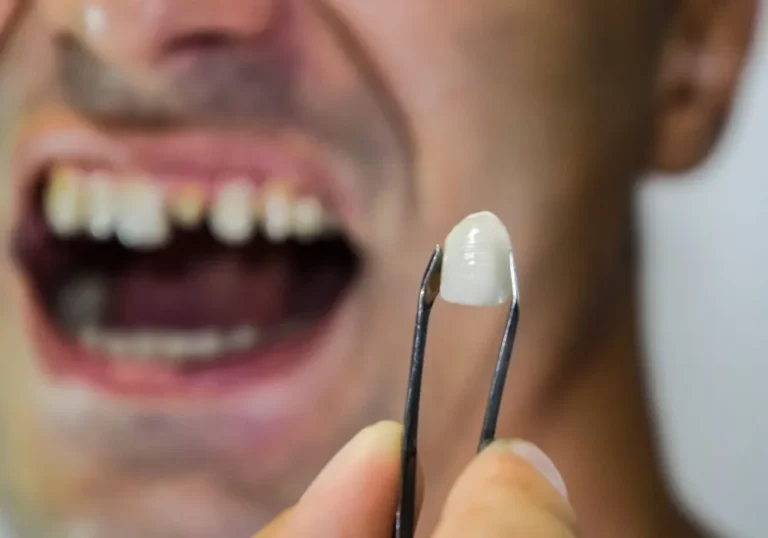
Smoking causes chronic tooth loss by damaging the gums and the bone that supports the teeth. Additionally, it blocks healing, making gum infections severe. Smokers have a higher chance of losing teeth sooner than non-smokers.

Oral Cancer Risk
Nicotine puts your mouth at harmful chemicals that can damage your tongue. Additionally, this can cause lip, throat, and oral cancer. Smokers are considerably more in danger compared to non-smokers. That’s why early diagnosis during dental check-ups is important for effective treatment.
Frequently Asked Questions (FAQ)
What do smokers’ gums look like?
Smokers’ gums frequently look dark or receding. They may have a pale or grayish color due to reduced blood flow.
Why do gums hurt after smoking?
Smoking exposes gums to toxic chemicals, which irritate them. It blocks healing and lowers blood flow.
Will my gums heal if I stop smoking?
Quitting smoking improves blood flow, helping gums heal over time, but not necessarily.
How do you fix smokers’ gums?
Maintain good oral hygiene and get dental care treatment. Moreover, it is important to quit smoking for teeth healing.
Do gums heal after quitting smoking?
Yes, gums start to heal after quitting smoking, but it takes time.