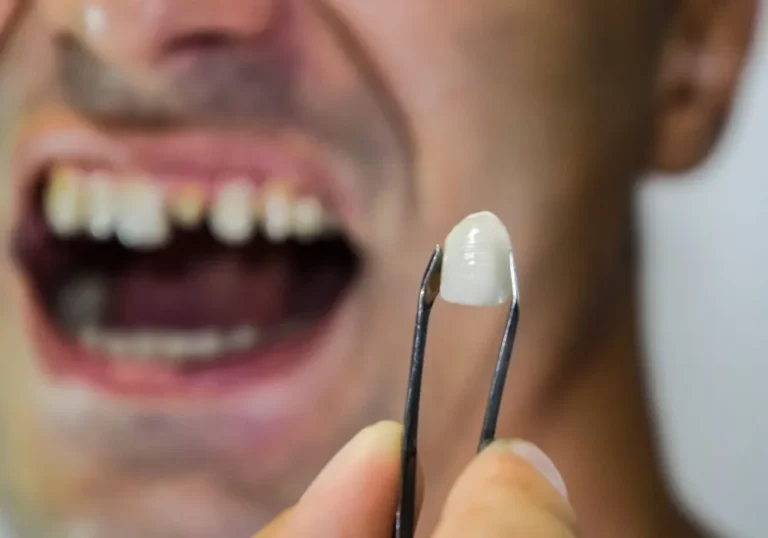

Gum disease is a condition that impacts both the teeth and the gums. Initially, you can call it Gingivitis. But with time, it may lead to periodontitis. And the primary cause of gum disease is plaque. It is a sticky layer of germs.
The good news is that gum disease can be prevented. You can remove plaque by flossing and brushing regularly. Additionally, regular dental check-ups also help. Now, here, we’ll discuss what is gum disease and how you can prevent it.
What is Gum Disease?
Nearly half of adults over 30 have signs of gum disease, and about 9% have severe periodontitis.
Gums are the soft tissues that support your teeth and keep them in place. Gum disease is an infection that affects these tissues. Dentists might call this as periodontal disease or periodontitis.
Gum disease happens when bacteria grow in your mouth. If you don’t brush and floss regularly, plaque will build up. Then you’ll need to see a professional for it. Otherwise, it can lead to swollen, red, and painful gums and even tooth loss.
Signs of Gum Disease
It can start with mild symptoms, but with time it could become worse. However, early treatment helps keep gums healthy.
Here are some common symptoms of gum disease:
- Red, swollen, or sensitive gums.
- Bleeding after brushing or flossing and constant bad smell.
- When gums are getting detached from teeth.
- Loose or shifting teeth.
- Pain while you chew.
- Sensitive teeth.
- Pus between the gums and teeth.
In some people, gum disease may develop in certain areas, like the back teeth. Only a dentist or periodontist can check your gums and confirm whether you have gum disease.
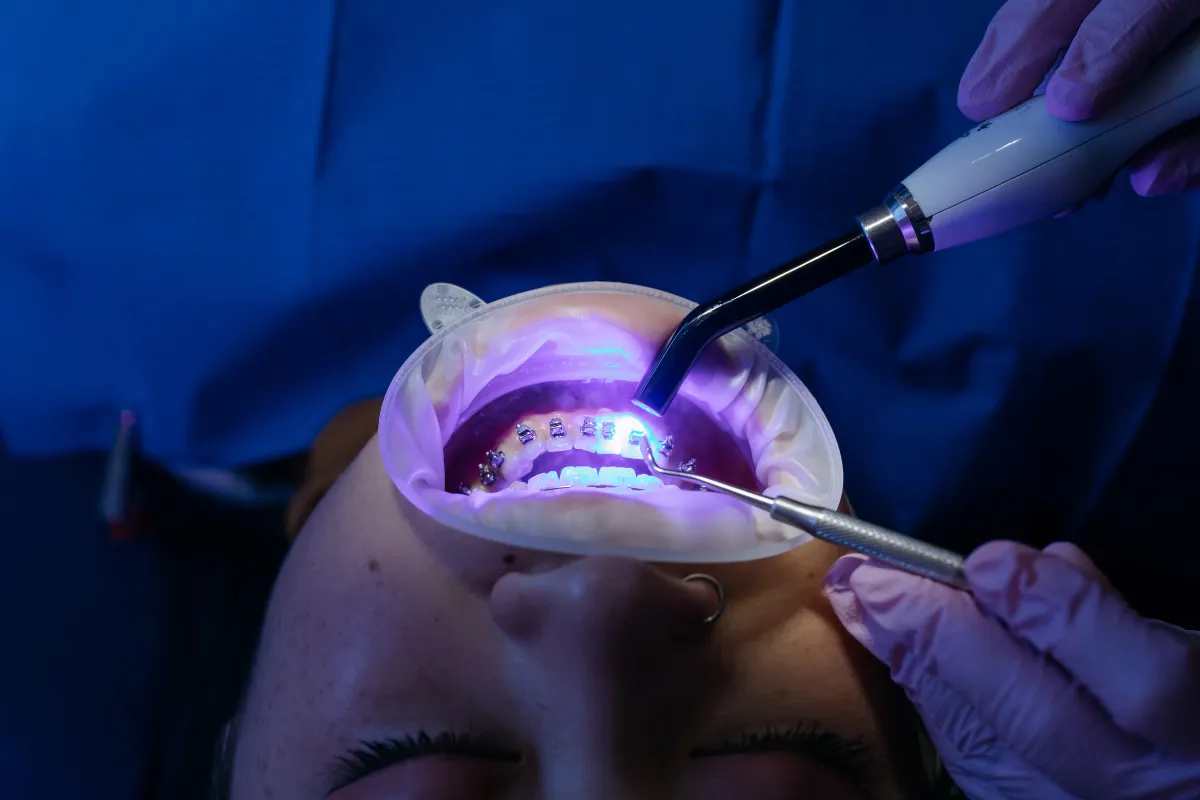
Treatment of Gum or Periodontal Disease
The goal of gum disease treatment is to stop the disease from getting worse. But the treatment depends on how severe it is. Let’s discuss it in detail:
Professional Cleaning
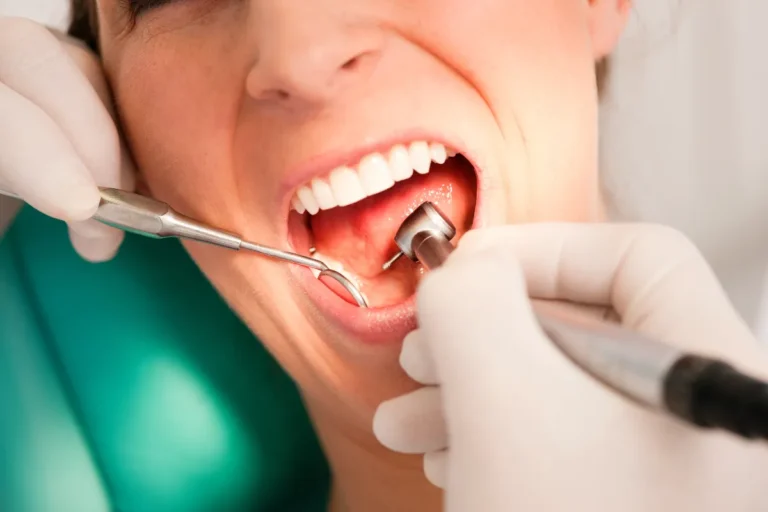
Professional dentists remove tartar and plaque from teeth by cleaning them. This reduces the development of gum disease. Regular cleanings stop germs from forming around teeth.
Scaling and Root Canal
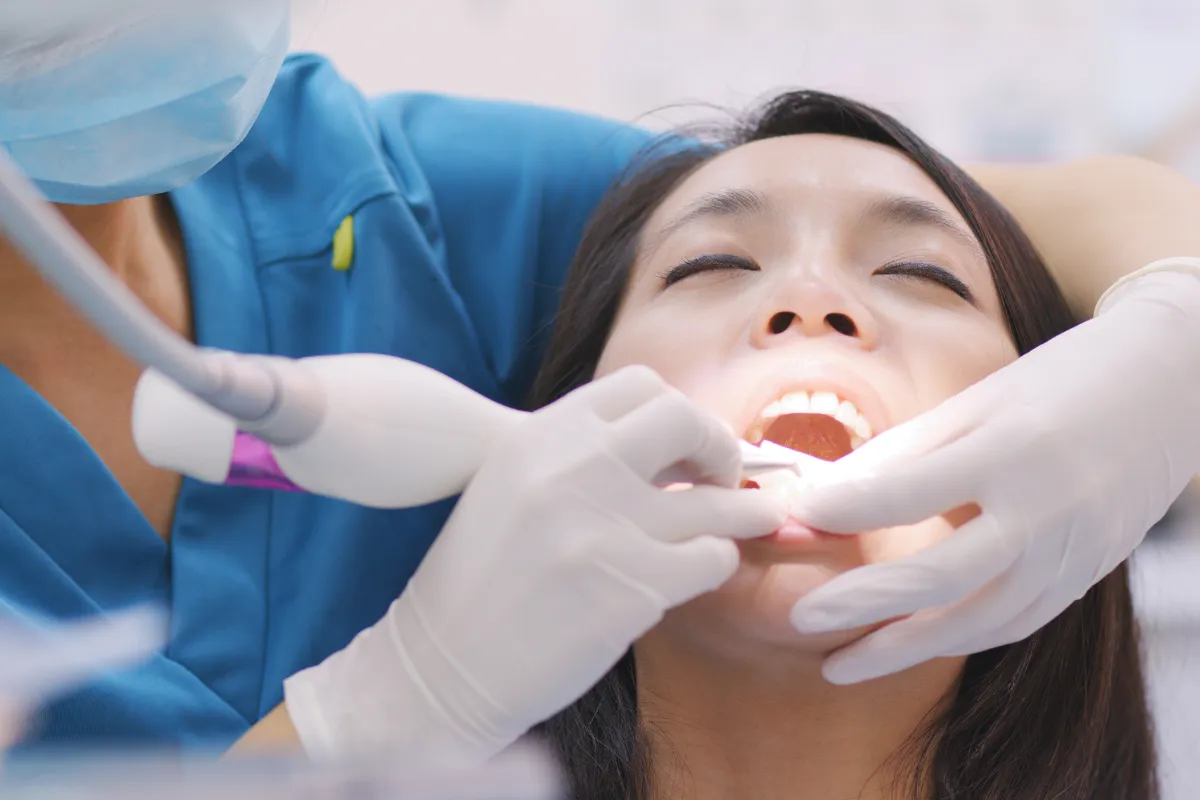
In this process, your dentists will remove the bacteria under your gum line by scaling and root canals. They polish the tooth roots to improve gum healing. This treatment will minimize swelling and inflammation.
Medications
To fight against infection, dentists may prescribe specific mouthwashes or antibiotics. By taking them, your gum inflammation will be reduced and there will be fewer germs.
Gum Surgery
Dentists may need to increase the gums in severe cases to treat deep infections. After that, they will put the gums back into their previous position. This preserves the teeth and minimizes the depth of the pocket.
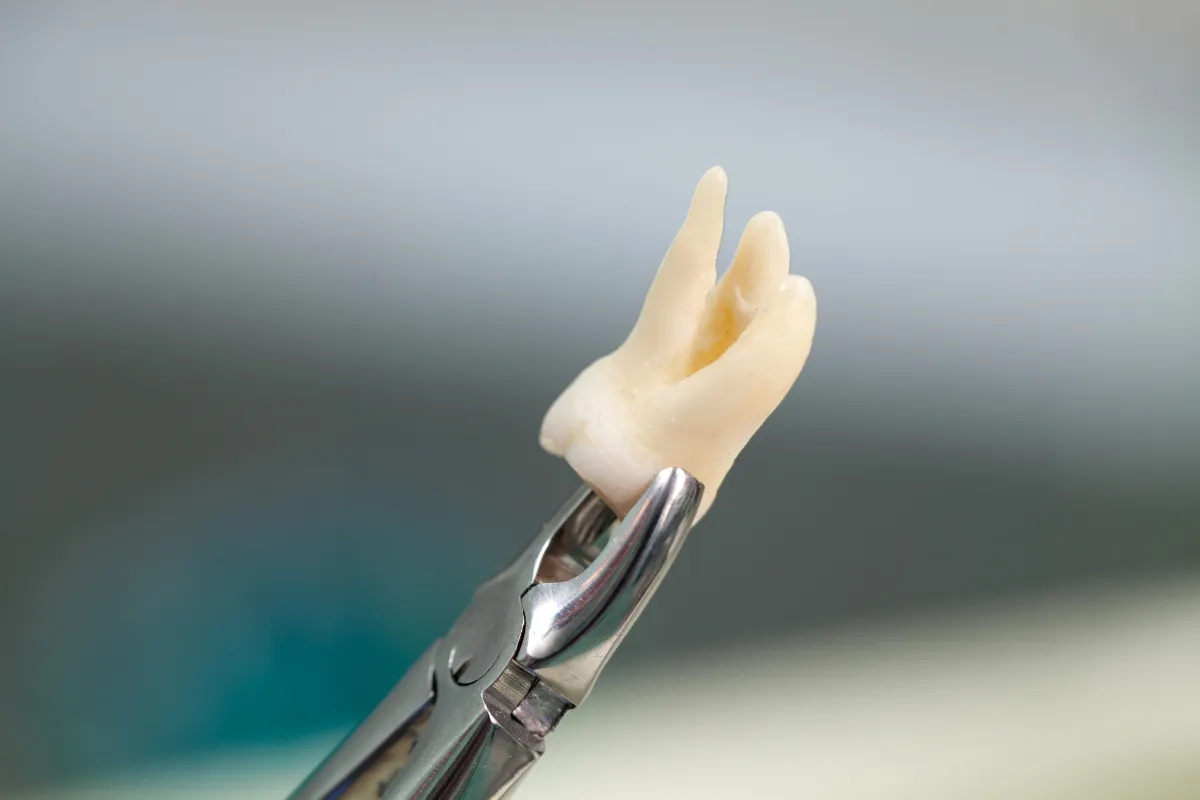
Tooth Extraction
It is necessary to extract a tooth if gum disease has caused severe damage to it. This way, the nearby teeth won’t get affected. Later on, the dentist may recommend a replacement tooth as well.
Gum Disease Prevention Tips
Taking good care of your gums keeps your teeth healthy and helps avoid gum disease. To keep your gums safe, follow these easy tips:
Brush Twice a Day
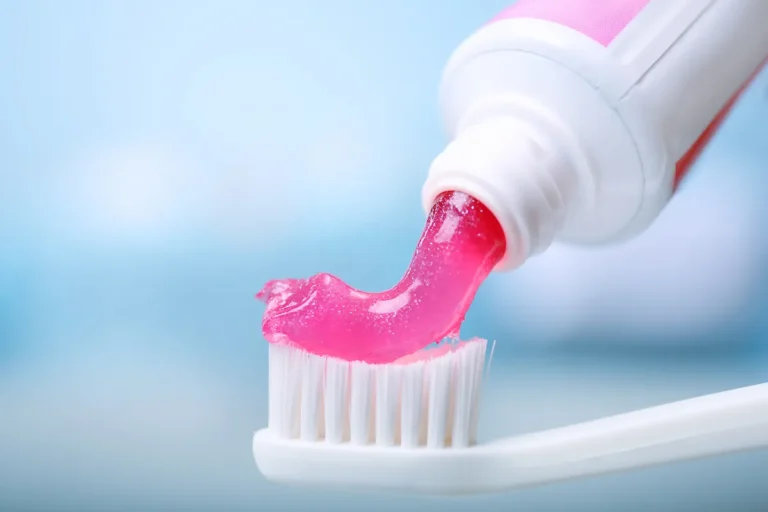
Brushing removes food and plaque that can cause gum disease. You can use a soft-bristle toothbrush and fluoride toothpaste. Also, professionals recommend you brush for two minutes in the morning and before bed every day.
Floss Daily
Flossing cleans between teeth where a toothbrush cannot reach. It removes plaque and food that is stuck in small spaces.
Use Mouthwash
Mouthwash refreshes breath and helps kill bacteria. An antimicrobial mouthwash protects the gums and lowers plaque. If you don’t want to have any gum disease, use it after brushing and flossing.
Eat a Healthy Diet
Gums stay strong when you consume foods high in vitamins, fruits, and vegetables. Avoid excessive sugar, as it promotes the growth of germs.
Don’t Smoke
Smoking causes infections and weakens the gums. Additionally, it increases the risk of gum disease and blocks recovery. So, by stopping smoking, you will be able to maintain healthy, solid gums, and teeth.
Visit Your Dentist Regularly
You should also go for regular dental checkups. It helps in the early detection of gum disease. Your teeth and gums stay strong when you visit the dentist every six months.
Stay Hydrated
Drinking water removes germs and food particles. Additionally, it reduces dry mouth, which protects your gums. Drink enough water to maintain the health of your teeth and gums.
Frequently Asked Questions (FAQ)
Is gum disease serious?
Yes, gum disease is serious. If not treated, it can cause tooth loss and affect overall health.
Can gum disease stop on its own?
No, gum disease will not go away on its own. You’ll have to do proper brushing, flossing, and take dental care to stop it.
What toothpaste is good for gum disease?
Toothpaste with fluoride and antibacterial ingredients is good for gum disease.
Should you brush your gums?
Gently brushing with a soft-bristle toothbrush helps remove bacteria and keeps them healthy.
How to brush your teeth with gum disease?
Use a soft toothbrush and brush gently in circular motions. Clean along the gum line and don’t forget to floss daily.