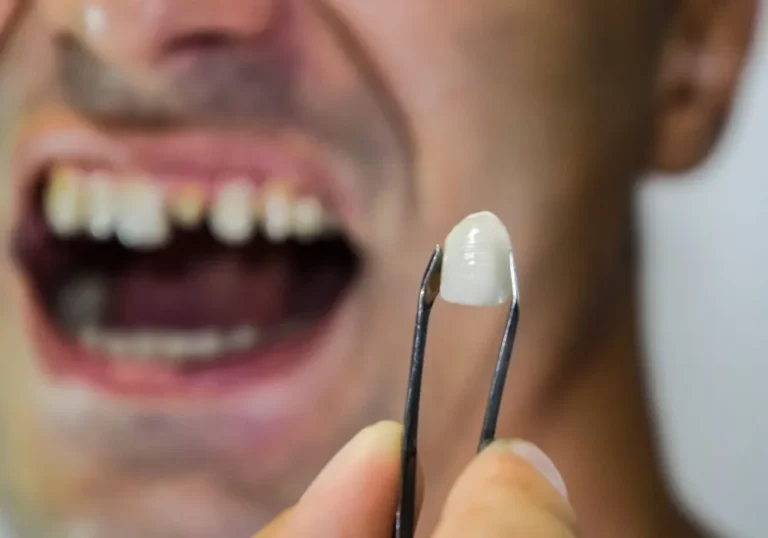

Choosing the best toothpaste can be challenging with so many options being available on the market. However, it’s important to choose a toothpaste that meets your needs since everyone has different goals when it comes to their dental health. There is toothpaste for every need, including cavity prevention, teeth whitening, and sensitive tooth relief.
We’ll go over how to choose the right toothpaste for your teeth and gums in this guide. Therefore, by evaluating your demands, you can select toothpaste that will maintain the condition of your mouth and the brightness of your smile.

Identify Your Specific Oral Health Needs
Before choosing a toothpaste, consider the needs of your gums and teeth. Are you trying to prevent cavities in your teeth? Do you wish to have a brighter smile or do you have sensitive teeth? Your choices will be more limited if you are conscious of your dental health goals.
Cavity Protection
Choose a toothpaste that contains fluoride if preventing cavities is your top priority. The majority of toothpaste products contain fluoride because, when used as recommended, it is both safe and effective. Look for terms like “anti-cavity” or “cavity protection” on the label.
Sensitive Teeth
You may need toothpaste for sensitive teeth when you consume hot, cold, or sweet foods. Potassium nitrate and stannous fluoride assist in calming your teeth’s sensitive nerves. Although it may take a few weeks for sensitive toothpaste to start working, regular usage can have a significant impact.
Whitening
When it comes to removing surface stains, whitening toothpaste works well. They often utilize moderate abrasives together with hydrogen peroxide or other specific whitening agents. Whitening toothpastes can gradually improve the look of your smile, but they won’t get rid of tough stains or change the natural color of your teeth.
Tartar Control
A tartar-control toothpaste might be a good option if you suffer from tartar formation. Toothpaste that contains pyrophosphates or zinc citrate can help stop plaque from becoming tartar. But keep in mind only a dentist can remove tartar that has already formed.
Gum Care
Gum health is also as vital as dental health. Choose a toothpaste that supports gum wellness if your gums are red, swollen, or healing. To fight the microorganisms that cause gum disease, these toothpastes often contain antibacterial agents like stannous fluoride or essential oils. Maintaining healthy gums needs consistent brushing and flossing.
Check the Ingredients of Your Toothpaste
It’s essential to read the ingredient list when choosing the best toothpaste. Here are some crucial elements to search for:
- Fluoride: Fluoride is necessary to strengthen teeth and prevent cavities.
- Potassium Nitrate: It is found in sensitive tooth toothpaste and helps in easing pain and discomfort.
- Hydrogen Peroxide or Baking Soda: Commonly found in whitening toothpastes, these chemicals lighten teeth and get rid of stains.
- Triclosan or Zinc Citrate: They help prevent tartar formation and combat germs.
- Natural Ingredients: If you prefer organic products, look for toothpastes that contain herbal extracts like aloe vera, tea tree oil, or neem.
Stay clear of toothpaste that has strong compounds, such as strong abrasives, as this may damage enamel if used excessively.
Consider Professional Dental Recommendations
Dentists and dental hygiene professionals are excellent sources of information on toothpaste choice. At your dental visit, ask your dentist which toothpaste is best for your specific oral health needs.
Many dental associations, such as the American Dental Association (ADA) and the Canadian Dental Association (CDA), have approved toothpaste. Check the package for the CDA or ADA seal.
Avoid Common Dental Myths and Misconceptions
Expensive Toothpaste Works Better
Cost does not always equal quality. A lot of inexpensive toothpastes are just as effective as more costly ones. Pay attention to the elements rather than the cost.
More Foam Means Cleaner Teeth
Foam doesn’t tell you how clean your toothpaste is. It’s only an extra component for feel and touch. The brushing technique, not foam, affects cleaning.
Natural Toothpaste Isn’t Effective
Some natural toothpastes, particularly those that include fluoride, work exceptionally well. However, the quality of organic products varies, so be sure to carefully check the labels.
You Need a Lot of Toothpaste
To properly clean your teeth, you only need a pea-sized quantity of toothpaste. You won’t get better outcomes by using more.
A Healthy Smile Starts with the Right Toothpaste
Maintaining oral health needs to know how to choose the right toothpaste for your teeth and gums. Consider your unique oral health requirements, such as whitening, sensitivity, or cavity prevention. Check the toothpaste’s components to make sure it fulfills your needs, and take medical guidance when necessary to make an informed decision.
Remember that using toothpaste isn’t the only part of proper dental hygiene. It’s equally essential to brush and floss twice a day and to visit your dentist regularly. You can maintain a beautiful, healthy smile for many years if you choose the correct toothpaste and follow the right routine.